Audio Recorder
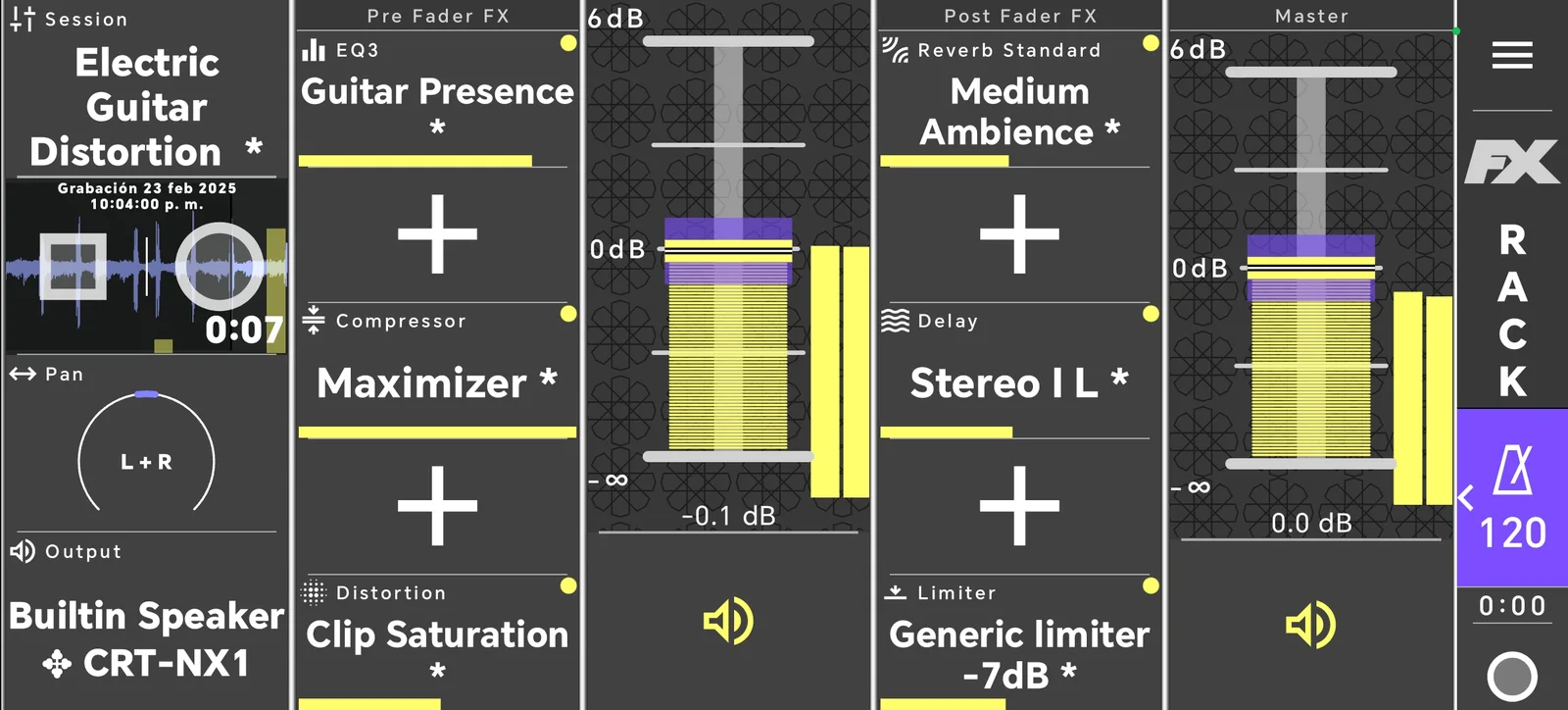
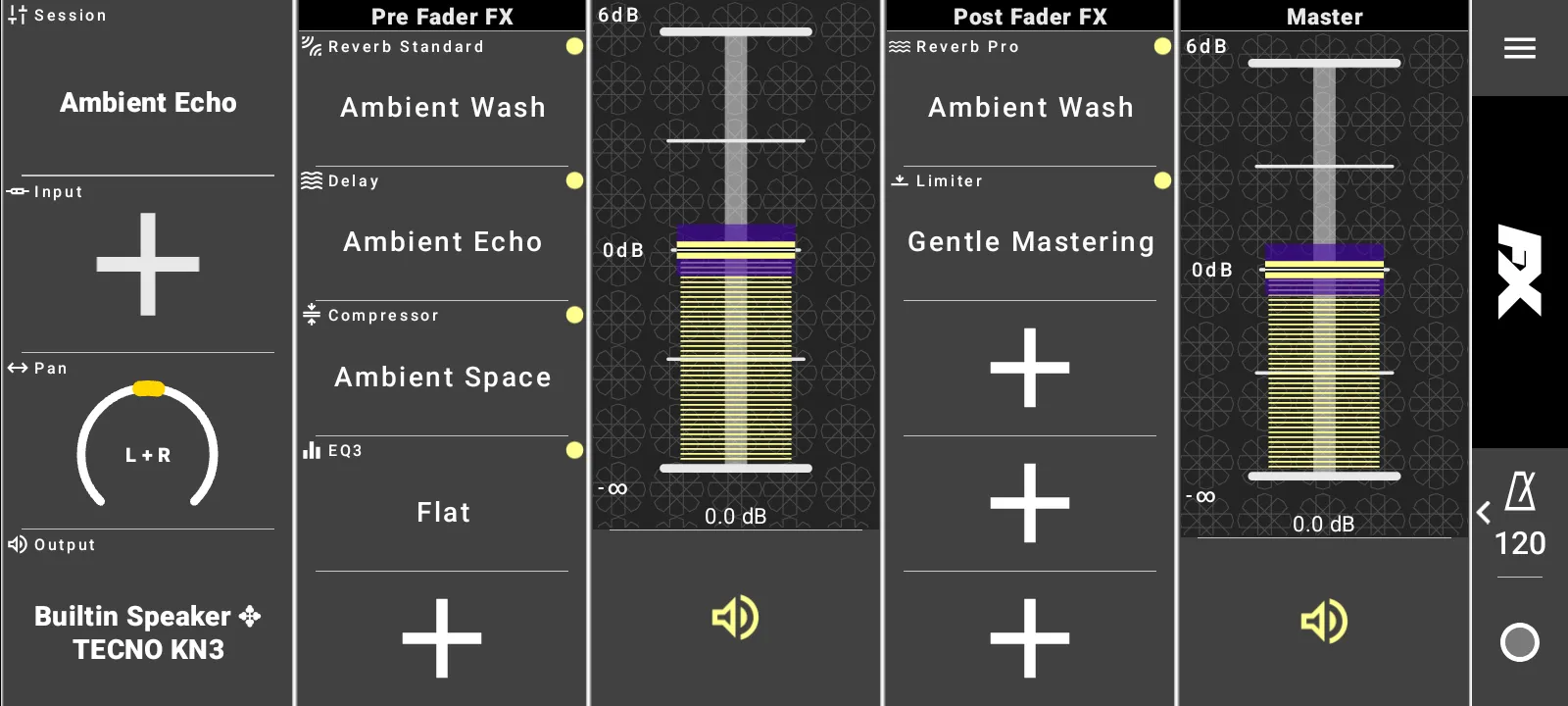
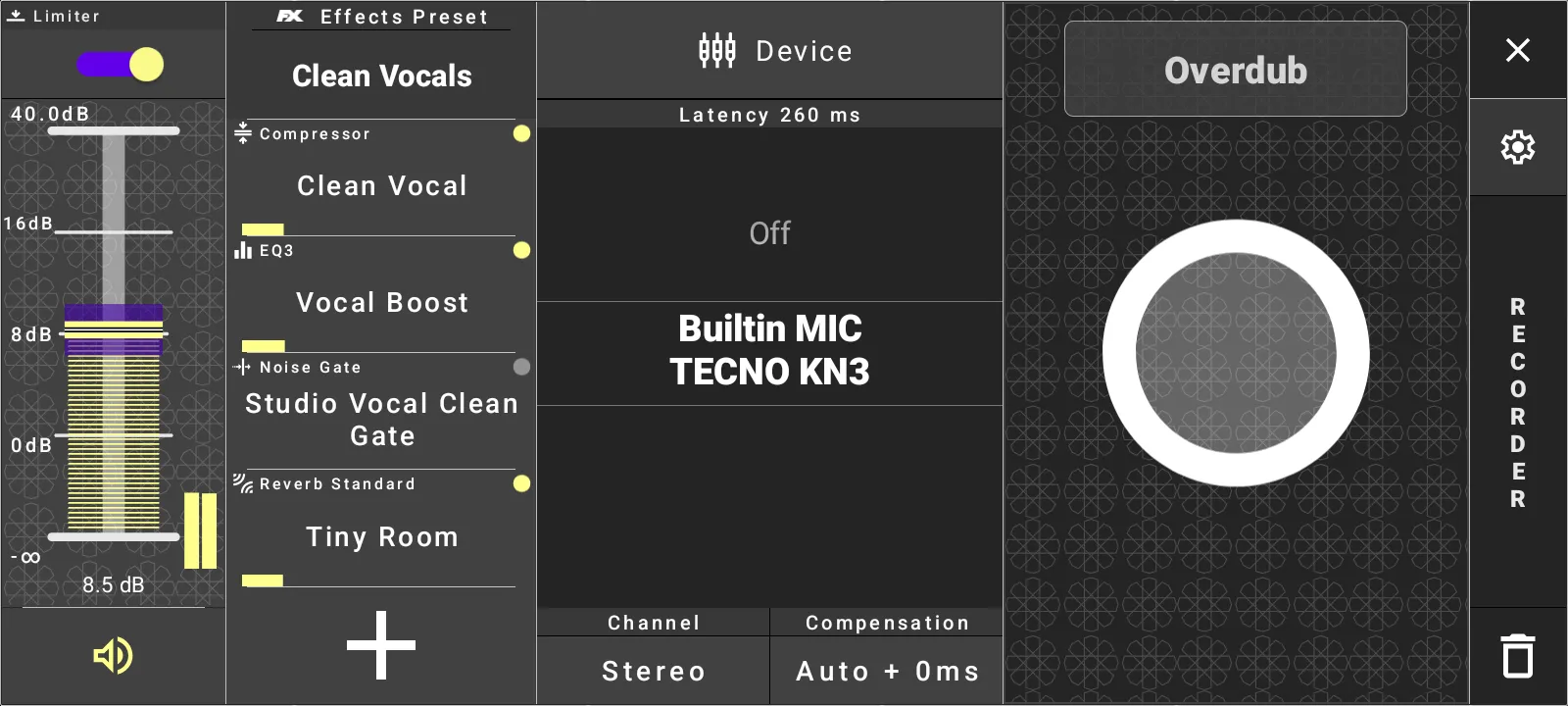
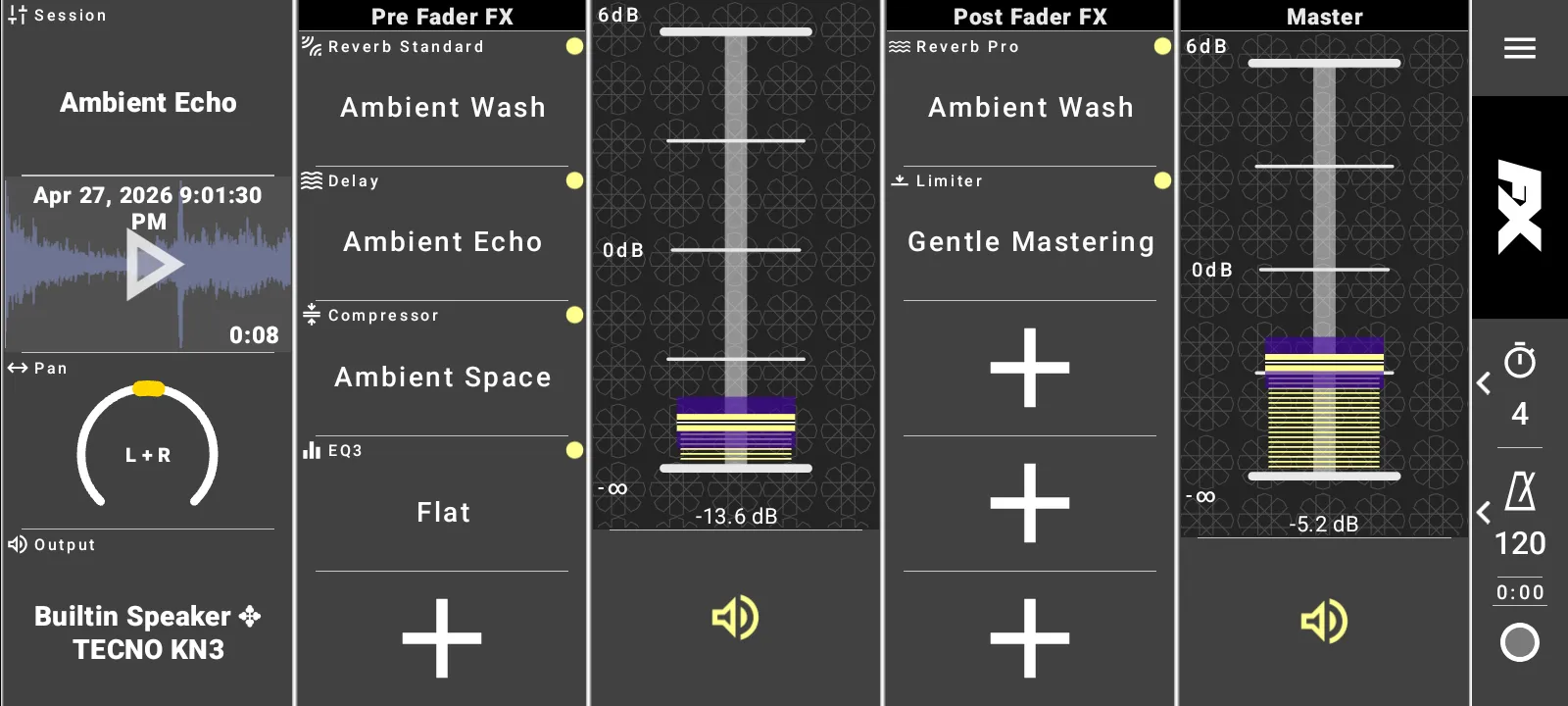
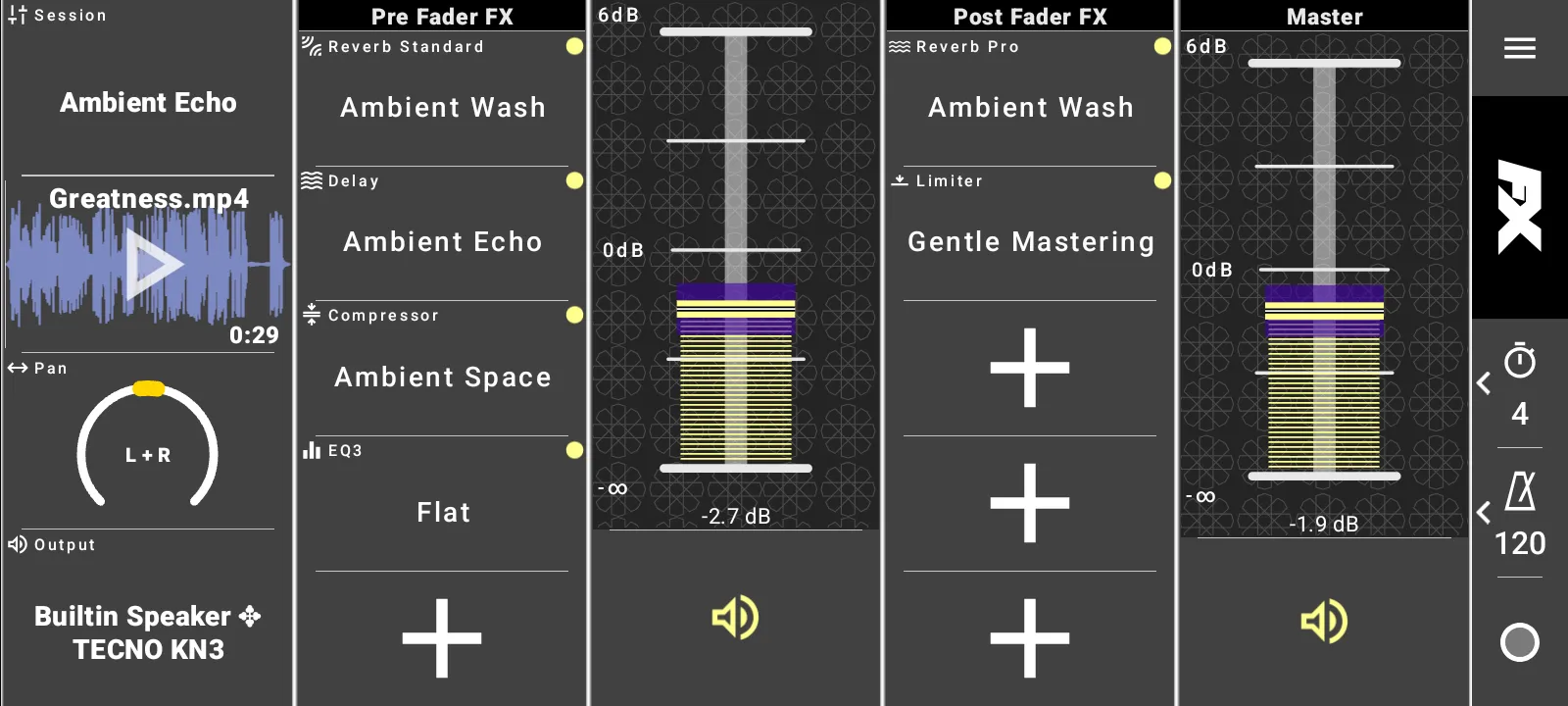
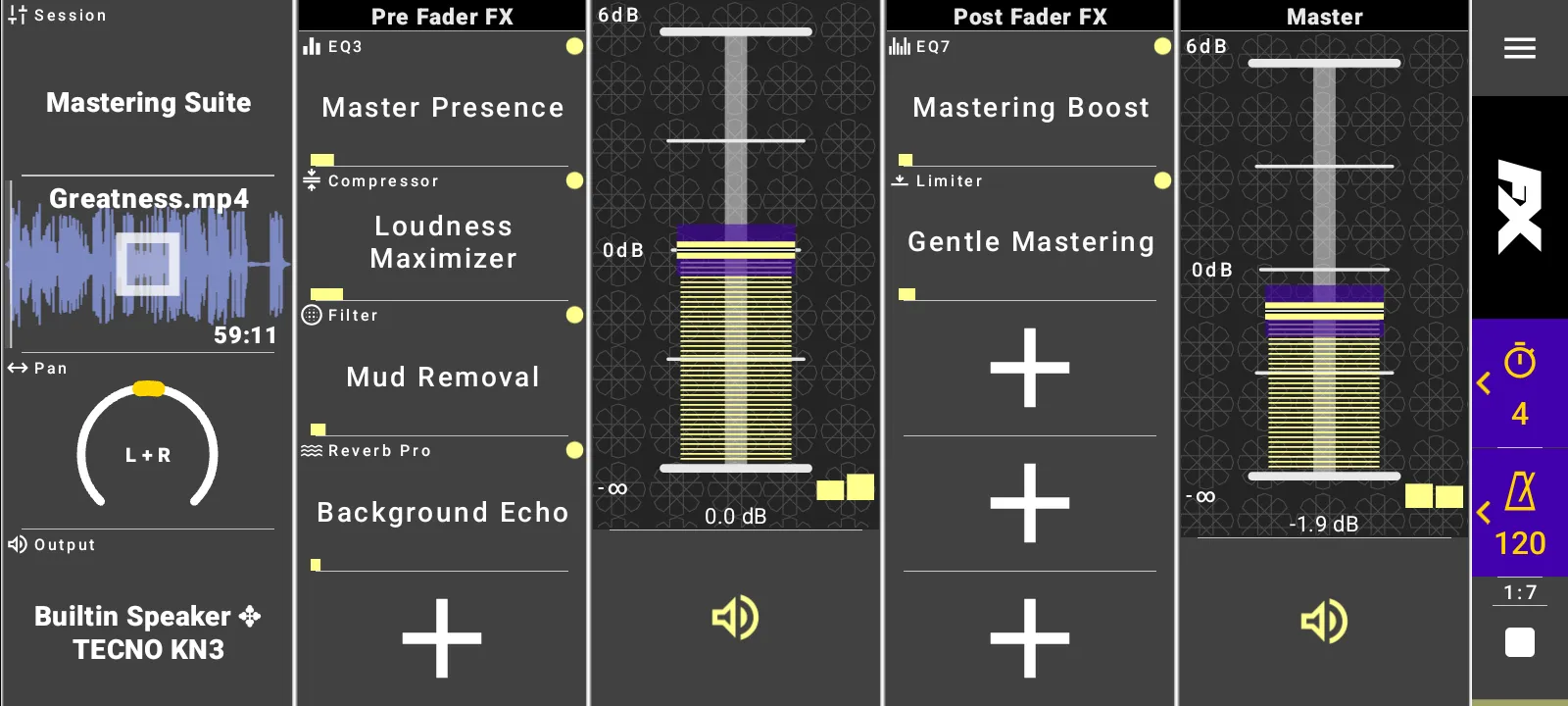
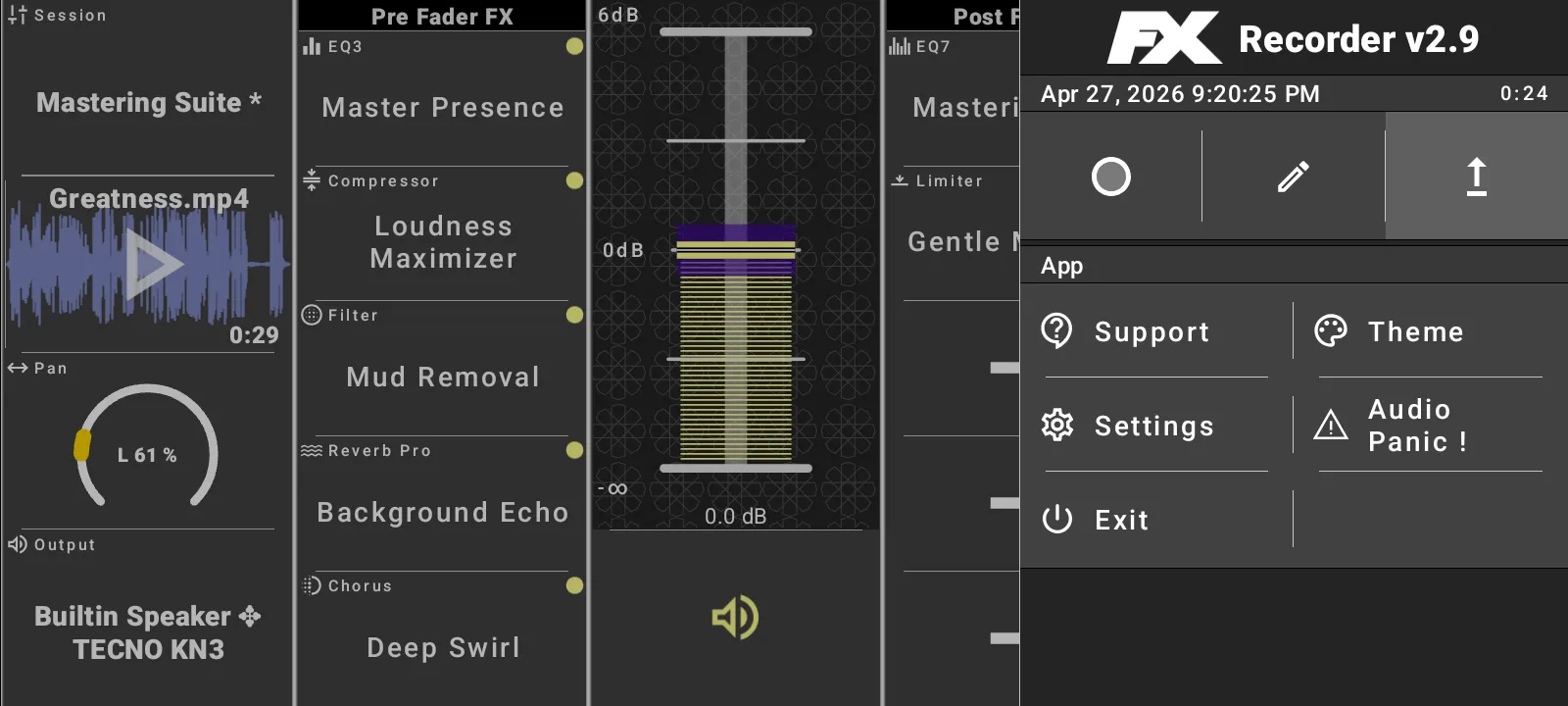
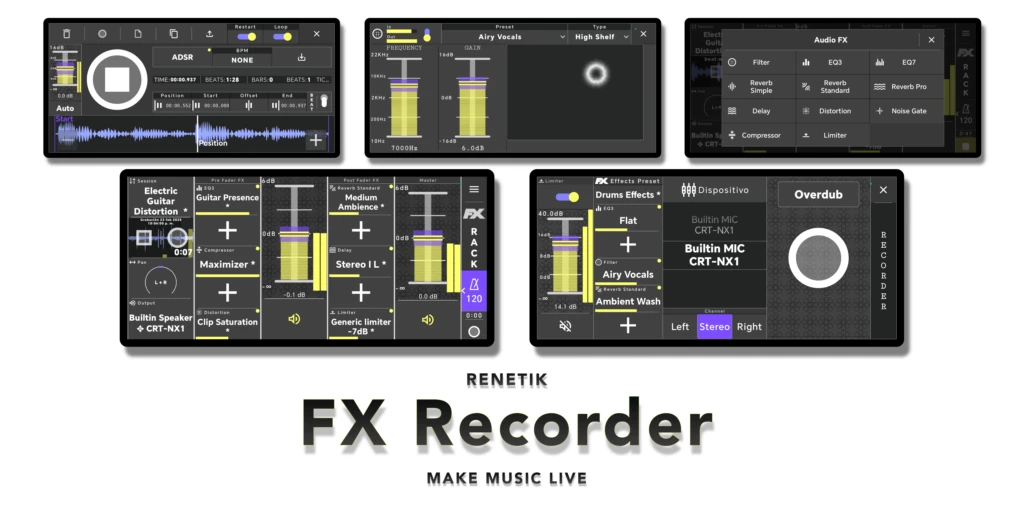
Capture audio from a microphone, interface, file, sample library, or clipboard, then keep the complete session visible in a touch-friendly rack with presets, waveform playback, meters, pan, routing, BPM, and recording controls.
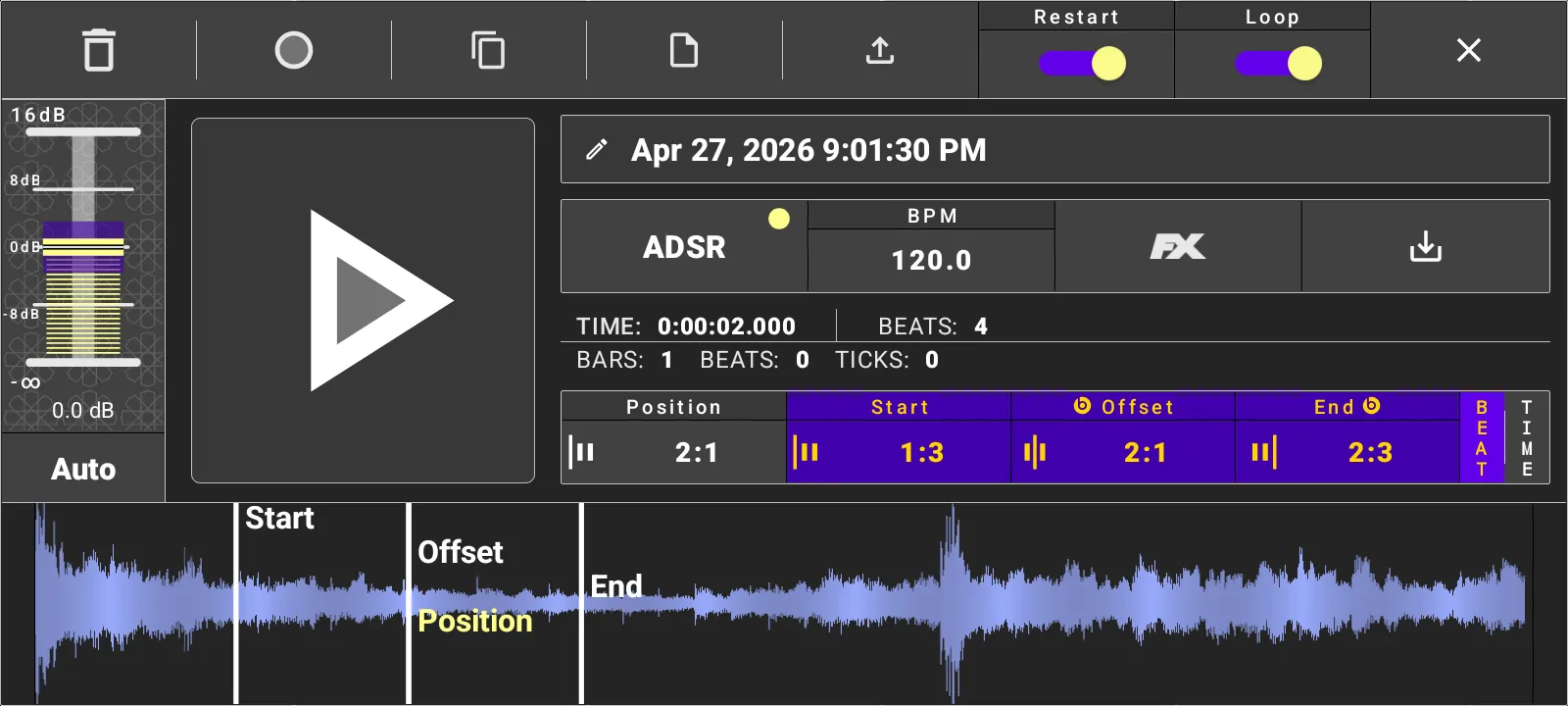
The sample editor provides waveform zoom, musical start and end positions, looping, ADSR shaping, rendered clip effects, import, copy, paste, and export workflows.
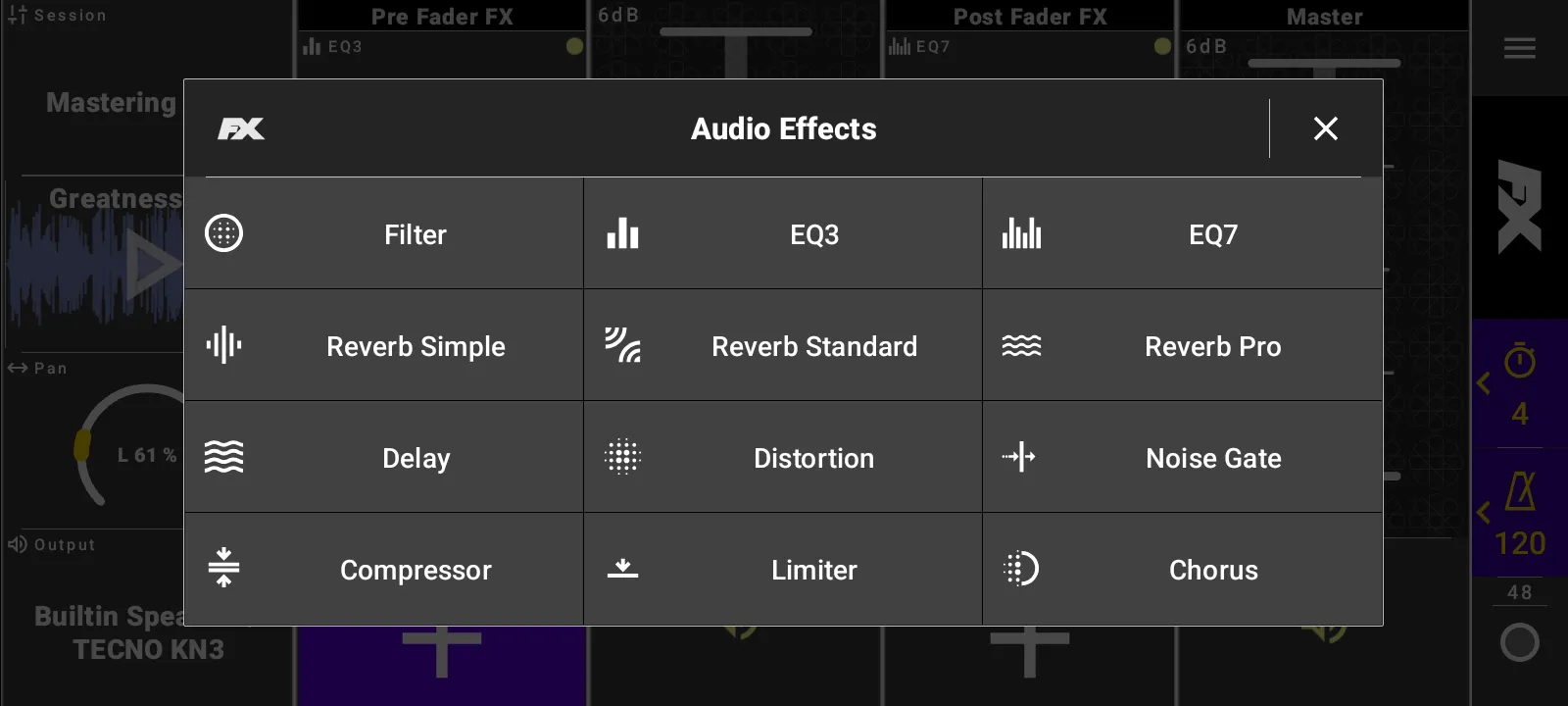
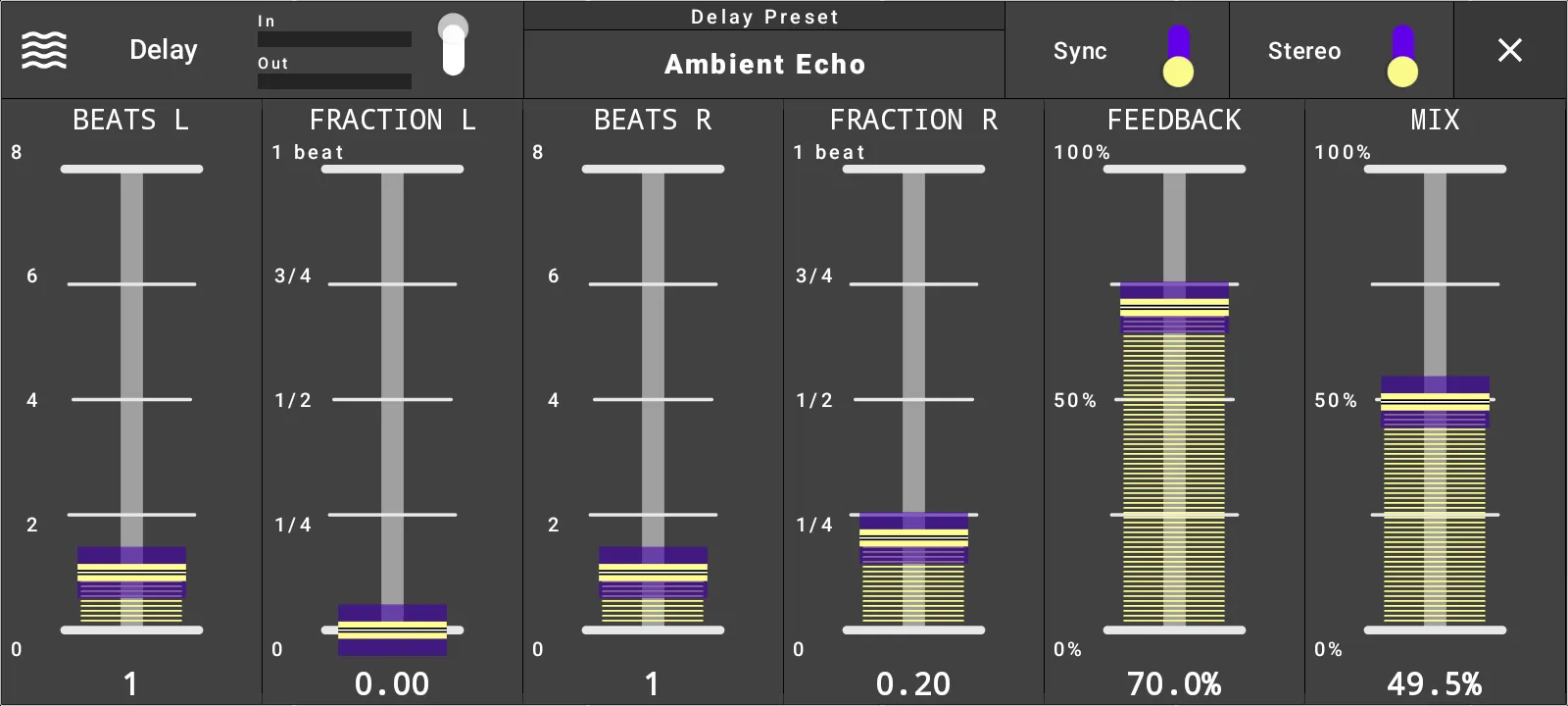
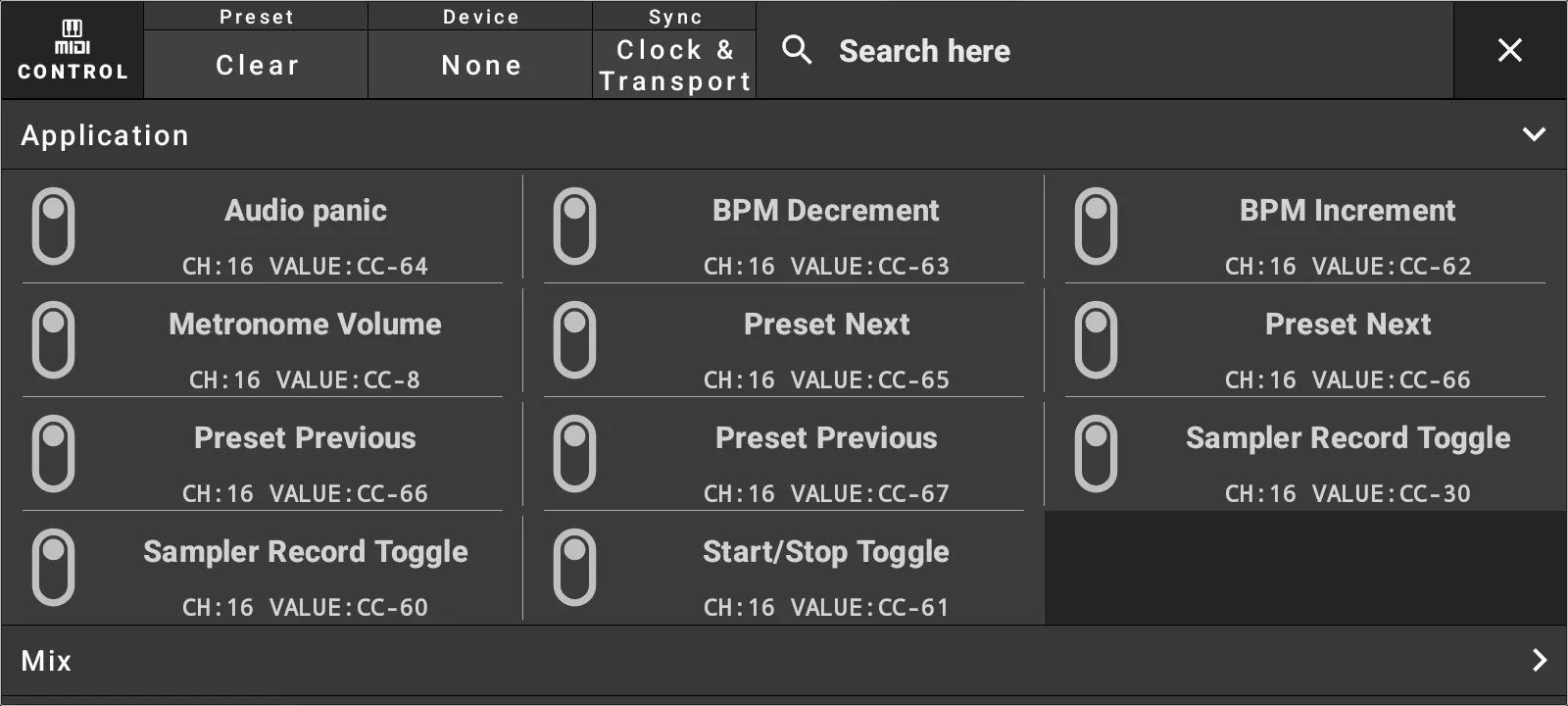
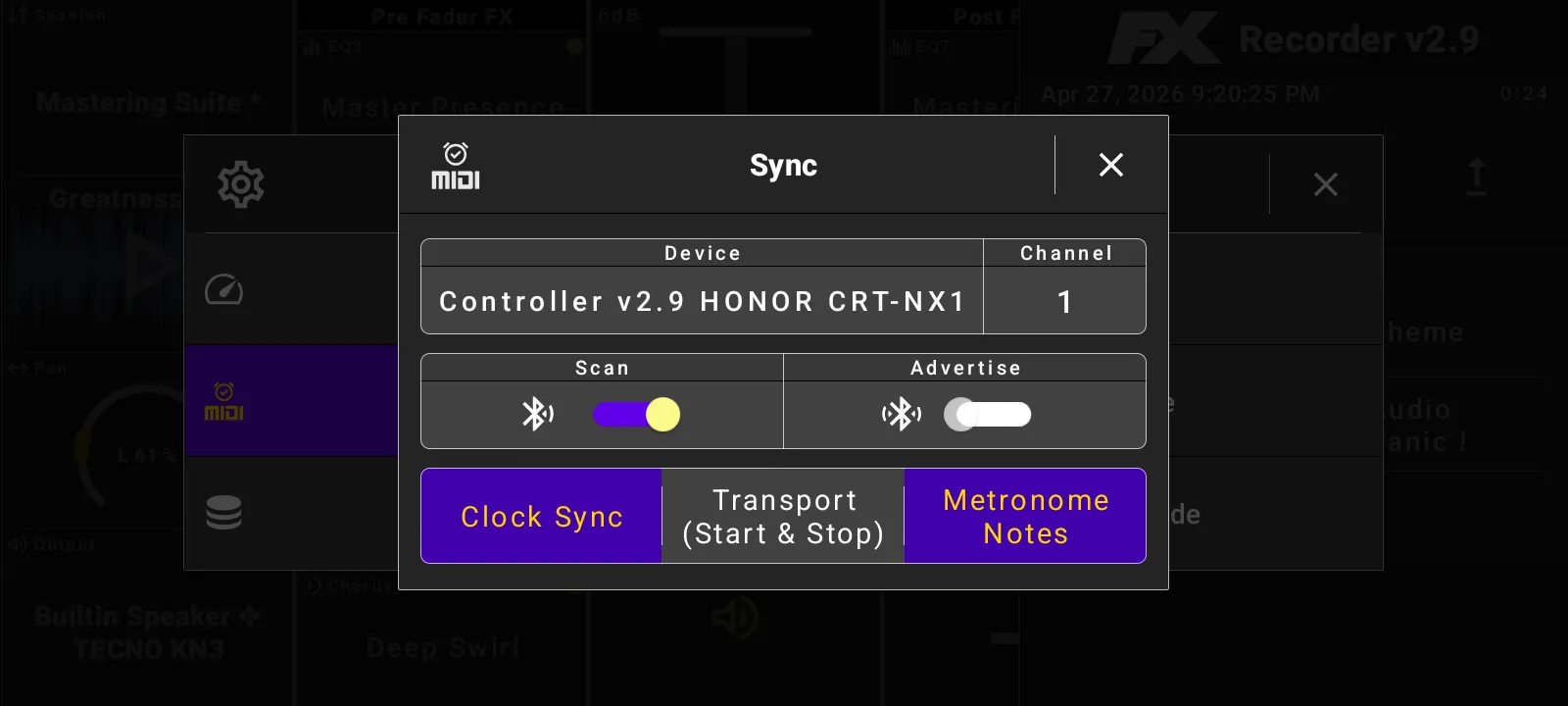
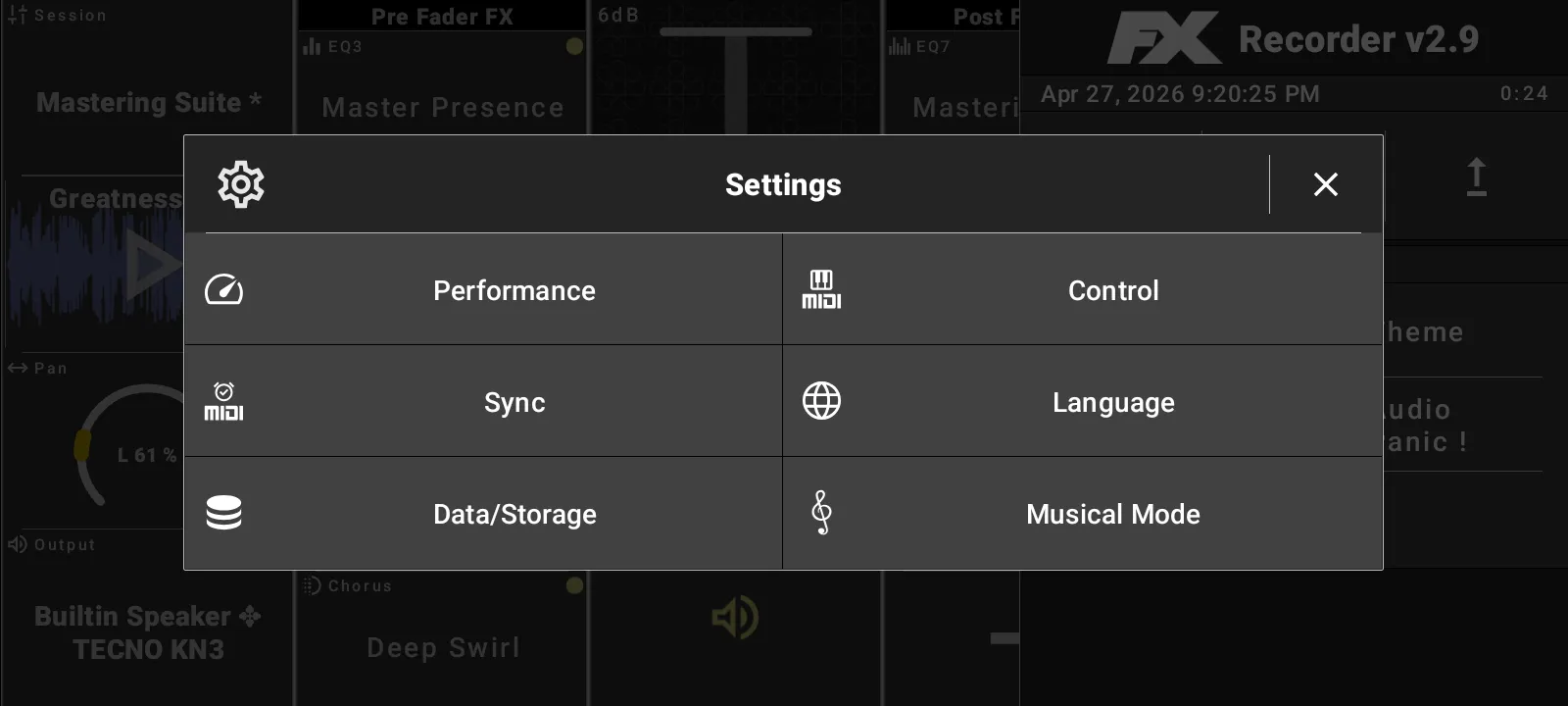
Five pre-fader and five post-fader slots can host filters, EQ, reverbs, delay, distortion, noise gate, compressor, limiter, and chorus. MIDI mapping and sync connect the rack to external gear and other apps.
I designed Audio Recorder end to end: its product concept, music workflow, information architecture, interaction model, and visual interface. I then implemented the Android experience and took it through testing, release, iteration, and user support.
Audio Recorder is part of the Renetik Music Apps family and shares its Kotlin application foundations, native C++ audio engine, Firebase services, automated tests, and release workflow.
Highlights